Vulnerable Beneficiaries
Protecting what matters most: my personal approach to vulnerable family planning
Alan Mountford-Brown · 7 September 2026 · 4 min read
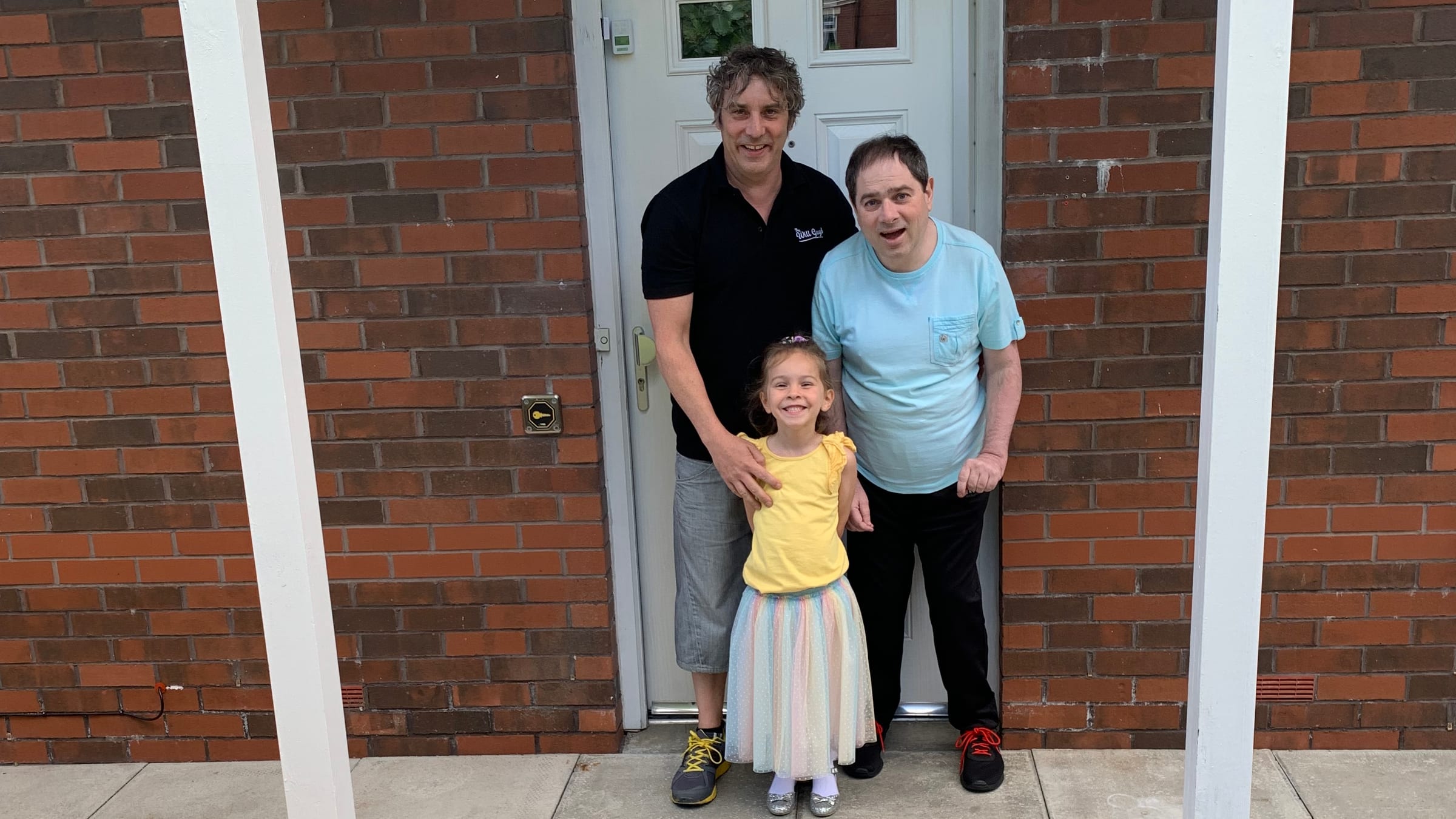
My brother Gary has Angelman Syndrome. Living alongside him has shown me why families with a vulnerable loved one cannot afford to leave planning until tomorrow — and it shapes the way I work today.
What would happen to the person you love most if you were no longer here to look after them?
It’s a difficult question, and one that many families understandably put off thinking about. But for families with a vulnerable or disabled loved one, planning for the future isn’t something that should be left until tomorrow.
I know this because it’s personal to me.
My brother, Gary, has Angelman Syndrome. Having Gary in my life has given me a first-hand understanding of the challenges families face when planning for a vulnerable loved one. It has also shaped the work I do today.
Why vulnerable family planning matters
When you’re leaving an inheritance, your intention is simple: you want to help the people you love.
But for a vulnerable beneficiary, simply leaving money or property directly to them may not always be the best solution. An inheritance can create unintended complications, particularly where someone receives means-tested support or benefits, or where they may need ongoing care and assistance.
This is where careful trust and estate planning for vulnerable beneficiaries can make such a difference. With the right planning and an appropriate trust structure, families can take steps to protect their estate while helping ensure that a vulnerable loved one benefits from their inheritance in a safe and considered way.
For me, this isn’t simply about protecting money. It’s about protecting people, choices and futures.
Helping families plan with confidence
I’m an experienced Trust Specialist, Estate Planner and Will Writer, specialising in helping families protect what matters most.
I understand that estate planning can feel complicated. Words like trusts, inheritance tax, care fees and vulnerable beneficiaries can be overwhelming — particularly when you’re already dealing with the day-to-day responsibilities of supporting someone you love.
My role is to make it simpler. I take the time to understand your family, your circumstances and what you want to achieve. Then I explain your options clearly, without unnecessary legal jargon.
No complicated language. No unnecessary stress. Just clear, practical guidance.
Protecting an inheritance for your children
For many parents, one of their biggest concerns is making sure their children are financially secure in the future. That can become even more important when a child has a disability or is otherwise vulnerable.
You may want to leave an inheritance, but also want to make sure that money is managed appropriately and doesn’t unintentionally affect the support your child receives. A properly considered trust may be one of the ways to address these concerns.
The important thing is to plan before an inheritance is received, rather than trying to solve problems afterwards. Good estate planning gives you the opportunity to make decisions while you can, rather than leaving your family to make difficult decisions during an already challenging time.
Protecting family wealth for future generations
My work isn’t limited to vulnerable beneficiary planning. I also help families think about the bigger picture when it comes to protecting and passing on their wealth. That can include:
- Trust planning
- Wills and estate planning
- Inheritance tax planning
- Protecting family wealth for future generations
- Later-life planning
- End-of-life planning
- Planning around potential future care costs
- Protecting vulnerable beneficiaries
Every family is different, so the right solution depends on your individual circumstances, objectives and family dynamics. That’s why good planning starts with listening.
What happens when you’re no longer here?
It’s a question none of us particularly wants to ask. But if you have children, dependants or a vulnerable loved one, it’s one worth considering.
- Who would look after them?
- How would their inheritance be managed?
- Would your wishes be clearly understood?
- Could their circumstances change if they received an inheritance directly?
- Have you done everything you reasonably can to make the transition easier for the people you leave behind?
You can’t predict everything the future will bring. But you can plan for it.
Working alongside other professionals
Estate planning often works best when the right professionals work together. I regularly work alongside solicitors, financial advisers, accountants and care professionals, helping ensure that clients receive joined-up support where appropriate.
My aim is always the same: to help families understand their options and put appropriate plans in place to protect the people and assets that matter most to them.
Why I do what I do
Gary is a huge part of why this work means so much to me.
My experience has shown me that families don’t just need technical advice. They need someone who understands the human side of planning too. Someone who will listen. Someone who will explain things properly. And someone who understands that behind every will, trust or estate plan is a family with hopes, concerns and people they want to protect.
That’s the approach I bring to my work. Fast. Efficient. Straightforward. But most importantly: personal.
Estate planning isn’t just about deciding what happens to your money. It’s about making sure the people you love are protected when you’re no longer there to protect them yourself.
Start planning while you have the choice
If you’re a parent, family member or professional supporting someone who is vulnerable, I’d encourage you not to wait until a crisis forces the conversation.
Start planning while you have the time, choice and opportunity to get things right.